
Colles Stowell, Founder, President
The passion was born with the sight of my first big fish being hauled on board a charter boat off the Louisiana coast. The Jack Crevalle was almost as big as the dazed and somewhat seasick five-year-old I was.
The door opened, seeding a lifetime of recreational fishing: from my childhood patrolling the bayous in ancient wooden skiffs to cruising small N.H. lakes and rivers in an aluminum canoe, and from wading small trout streams in Northern N.H. to world-class salmon rivers in Canada and bonefish flats in the Bahamas.
It’s in my blood.
Along the way, I discovered two other deep passions. The first was fresh, local seafood, which was abundant year-round in my hometown of New Orleans. The other was writing. Ten years of journalism, including a variety of writing for The Boston Globe, United Press International and New Hampshire Public Radio preceded 10 years of technology writing for a high tech PR firm with some Fortune 500 clients.
I began writing about sustainable fisheries and sustainable seafood in 2011 after seeing once abundant species like Atlantic salmon and Atlantic cod pushed to the point of collapse. Since then, I’ve delved into issues ranging from privatization of our oceans to the devastating impact the proposed Pebble Mine would have on the world’s largest wild salmon run, located in Bristol Bay, Alaska.
Starting this foundation is the confluence of my career and personal passions. My deep-seated interest in fisheries and in striking the right balance to support well-managed fisheries, transparent, local seafood systems, and healthy oceans for future generations drives One Fish Foundation.
That energy sparks the interactive classroom discussions and blogs that convey the message that we need to work together to find better management solutions locally, nationally and internationally, and that we need to find better ways to adapt to climate impacts on our oceans. Educating students and their parents about their relationship to seafood as a resource is perhaps the best way to ensure we take care of that resource so it can sustain us.
Mara Welton, Operations Manager
As a Colorado native, I spent most of my adolescence in my landlocked home state, and had my culinary world blown wide open on a camping trip with my dad when I was 12 years old. He taught me to fish that trip and we caught, gutted and cooked over a fire two rainbow trout – this most unexpectedly delicious thing I experienced imprinted a core memory on just how incredible wild caught fish could be. Fast forward a dozen more years to my Peace Corps service in the island nation of the Solomon Islands. As a Piscean, I finally understood why the ocean matters. In each village I served, I lived amongst subsistence fishers and learned what pristine, perfect seafood tasted like. It was here I first ate raw tuna, speared my first freshwater prawns and understood why we should care where our seafood comes from.
In my 20+ subsequent years as a veggie farmer and Slow Food leader, I worked with chefs in my new home of Vermont – the only landlocked New England state – and saw them searching for the best seafood they could possibly source, and this is where I learned of Slow Fish and participated in my first KNOW FISH Dinner. Connecting the dots between chefs, fishers and eaters is exactly what I did as a farmer: connecting farmers market customers and chefs alike to rare and interesting varieties, encouraging them to expand their palates and gardens to embrace new flavors and cultivars to their lives.
I have had the opportunity to help plan many Slow Fish events over the years and participate in developing the Rising Tide program. I count this amongst the most important work I can be connected with – facilitating opportunities for chefs, fishers and eaters to connect with each other and the seafood they choose to eat, ensuring that we are all aligned in how we choose to be engaged with our waters, the stewards and the food harvested from it.
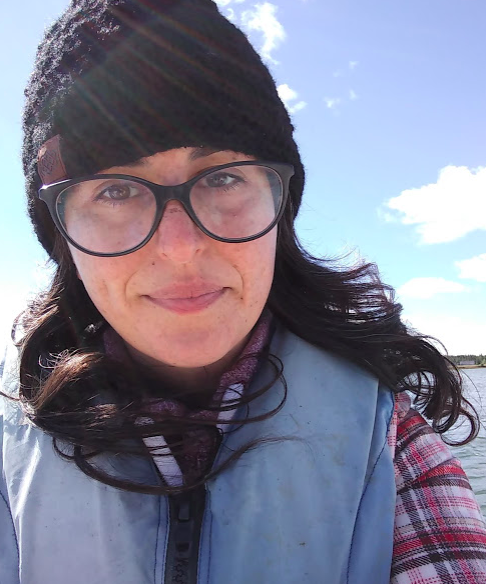
Haley Stein, Communications Manager
Since I was very young, I remember being fascinated learning about strange deep sea fish in marine science books for kids. Born and raised in central Kentucky, these books, plus the occasional family visit to the Florida Panhandle, served as my connection to the ocean, and its weird and wild fish.
On those family visits, my absolute fondest memories were trying fresh crab for the first time: purchasing crabs directly from the seafood shack, boiling them, and using a mallet to crack the shells with my family. Bringing the smell and flavor of the sea into our home was a magical experience. But unfortunately, having such a direct experience from fishmonger to plate (or paper bag-covered table, in the case of my family crab meal) is not the the way most people eat their seafood, even people who live near the coast.
And the way we eat our seafood matters! As a lover of weird and wild fish, helping to shift consumer understanding to recognize how their seafood choices can harm communities and biodiversity feels important to me. My previous work as a science educator has informed my experience of communication, recognizing how storytelling based in emotional connection and a collaborative appreciation of what’s at stake can be more effective than hard facts and data.
That’s how I see my role in One Fish Foundation: sharing seafood stories in ways that help our audiences identify with them — whether those audiences are elementary school classrooms, chefs, or everyday working people. Alongside my work with One Fish, I offer support to the Inland Ocean Coalition and the Core Team of the Atlas for Values-Based Aquaculture. When I’m not diving into conversations about ocean literacy and sustainable seafood with values, I like to spend my time exploring new places by foot, paddle board, or skis. And then coming home to cook delicious, locally-sourced meals with friends, family, and my cat, Broccoli.
Kiran Johnson, Communications Intern
I grew up in a city with a lake, not an ocean, and I’m allergic to shellfish. My childhood seafood experiences largely revolved around my mom’s baked salmon and my dad’s trout—both bought at Whole Foods. So, how did I end up working in fisheries? I love food. I like being connected to what I eat, knowing the water and soil that grew it, the people who cared for it and getting nerdy about the science behind it.
My food journey began with working on agroforestry projects aimed at supporting the surrounding ecosystem and providing income for farmers. This experience catered to the science-lover in me. Then, I spent time at an urban farm, and I saw how growing food connects to topics like food justice, climate change and urban planning. Now, working in fisheries, I see similarities between each type of food production: the people doing the work often go unacknowledged, even though they often have the deepest ecological knowledge and understanding of the systems they work in.
Work at One Fish Foundation engages me in everything I’m passionate about relating to food, from learning about a new fascinating fish each week to keeping up with science and policies that affect fishermen. My favorite part of the work- aside from delicious seafood- is hearing and sharing the stories of fisherfolk and harvesters.
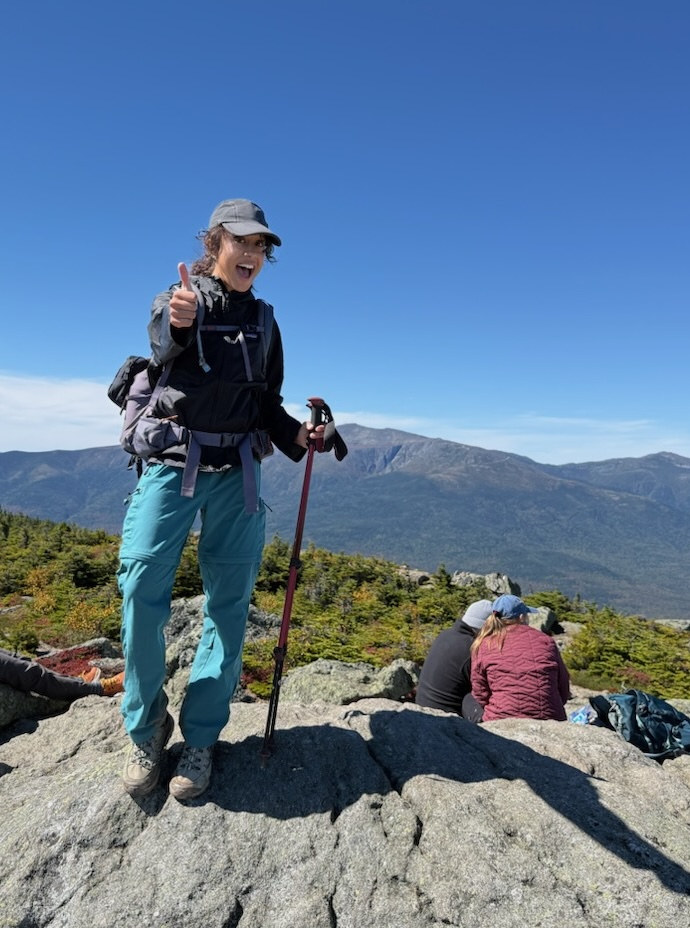
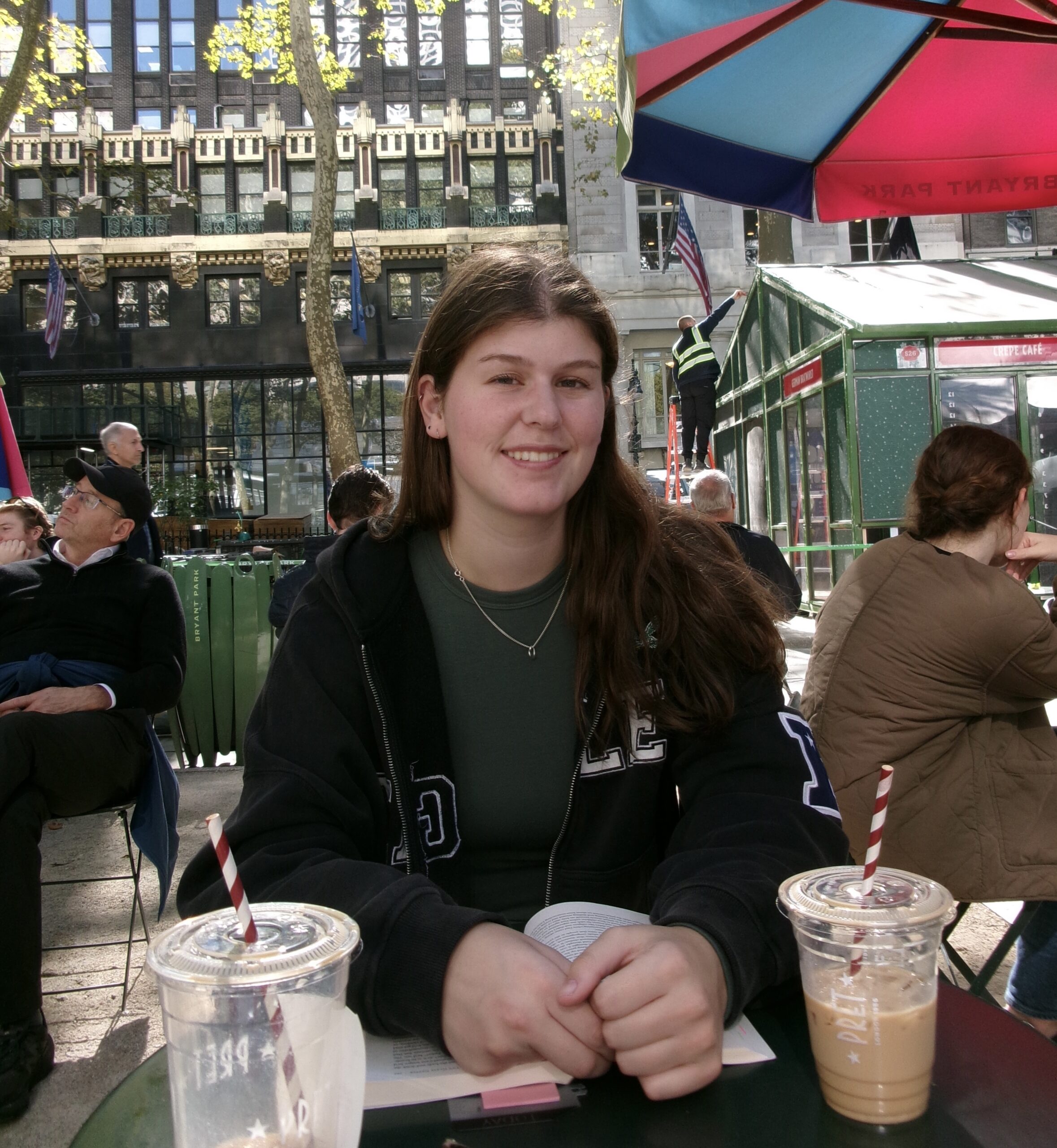
Emma Loller, Communications Intern
I am currently a student at Bryn Mawr College, majoring in Environmental Studies with a minor in Biology. I have always been interested in food systems and the connections between what we eat, where our food comes from, and its impact on the environment. Growing up near the ocean has helped foster my appreciation for marine environments and the importance of protecting them.
I had the opportunity to join One Fish Foundation in January 2025 through a course I took focused on fish and seafood. Since then, I have enjoyed learning more about sustainable seafood, fisheries, and the environmental challenges facing our oceans. I especially enjoy exploring these topics through writing and finding ways to make them accessible to a broader audience. I enjoy finding ways to connect people with the seafood they eat and the environmental issues surrounding fisheries and marine ecosystems.
Outside of One Fish, I am involved in biology research at Bryn Mawr and play on the college’s volleyball team. I also have a dog named Teddy.